

Mechanical vs. Hydraulic Earth Drills: How to Choose the Right One for Your Project
When it comes to tackling digging projects, selecting the right earth drill can make all the difference between a smooth, efficient job and a frustrating experience. At Little Beaver, we offer both mechanical and hydraulic earth drills, each designed for specific applications and conditions. Understanding the key differences will help you make an informed decision for your next project.
Choosing between a mechanical and hydraulic earth drill isn't a one-size-fits-all decision. Several critical factors come into play, each influencing which type of drill will deliver the best results for your specific situation. Taking the time to evaluate these elements before making your purchase will save you time, money, and potential headaches down the road.
- Soil Type and Conditions: The composition of your worksite soil (sandy, clay, rocky, etc.) dramatically impacts drill performance
- Required Hole Size and Depth: Different drills excel at different diameters and depths
- Auger Speed and Torque Needs: High-speed rotation vs. high-torque power depends on your specific applications
- Project Scope and Access Limitations: Consider the size of your worksite and any maneuverability constraints
- Attachments and Kits You Plan to Use: Certain drills are compatible with specialized accessories like sidewalk boring kits or anchoring systems
Mechanical Earth Drills
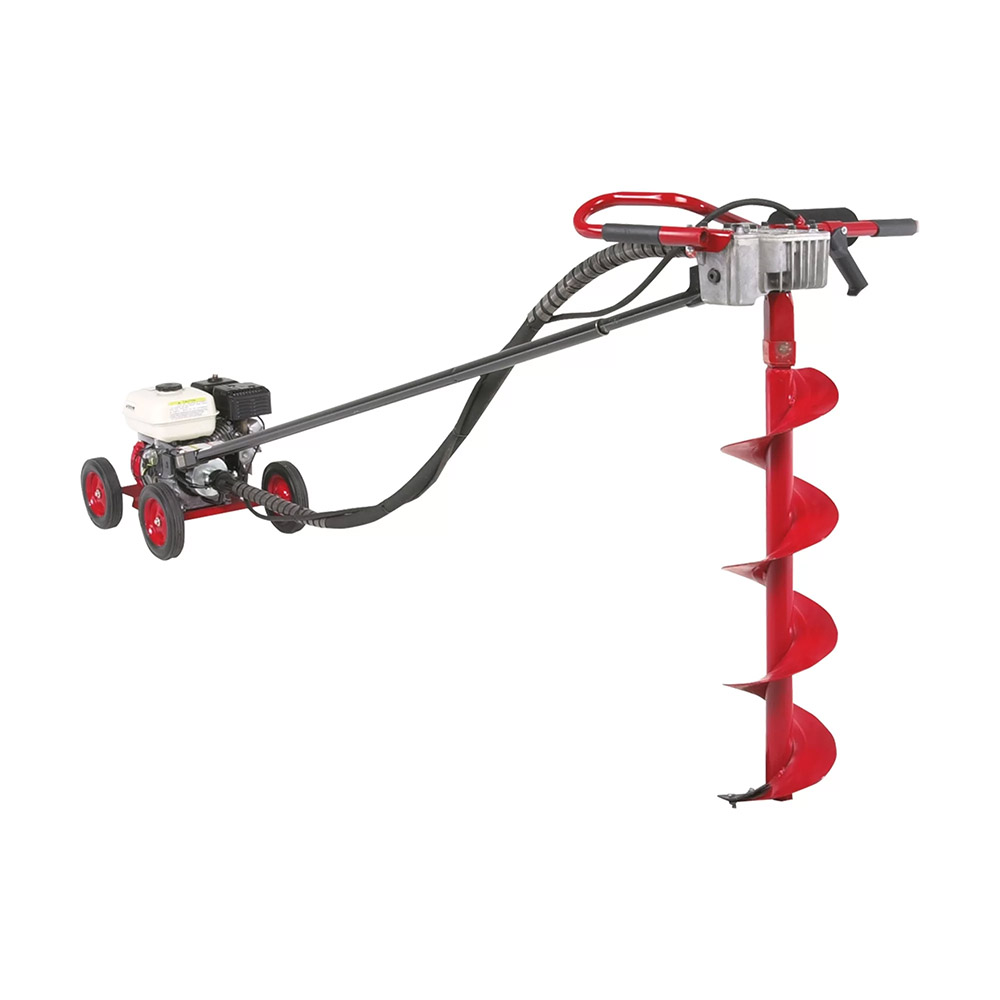
Mechanical earth drills are designed for efficiency and precision in lighter-duty applications. These versatile tools are perfect for projects where speed and clean results matter most, offering excellent maneuverability in tight spaces.
Best For:
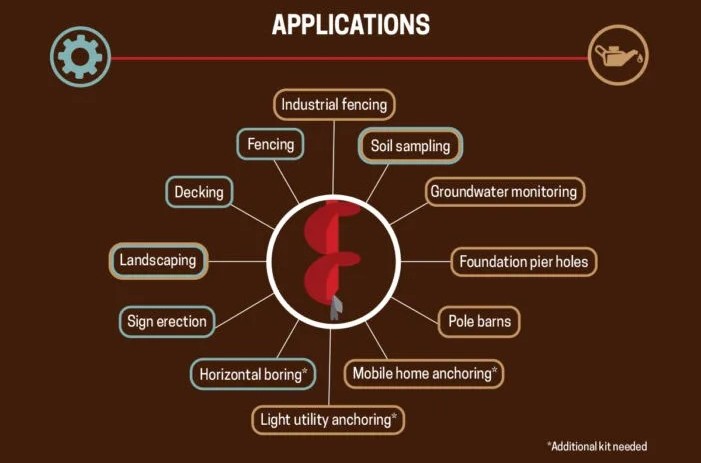
- Residential fencing, sign installation, and landscaping
- Limited access job sites
- Projects requiring speed and clean holes
- Horizontal boring under sidewalks or driveways with an optional wet/dry kit
Power and Performance:
- Engines ranging from 5.5 to 11 horsepower
- High-speed auger rotation for fast, efficient drilling
- Standard 10:1 gear ratio with 13:1 and 20:1 options available
Browse Our Mechanical Earth Drills
Hydraulic Earth Drills
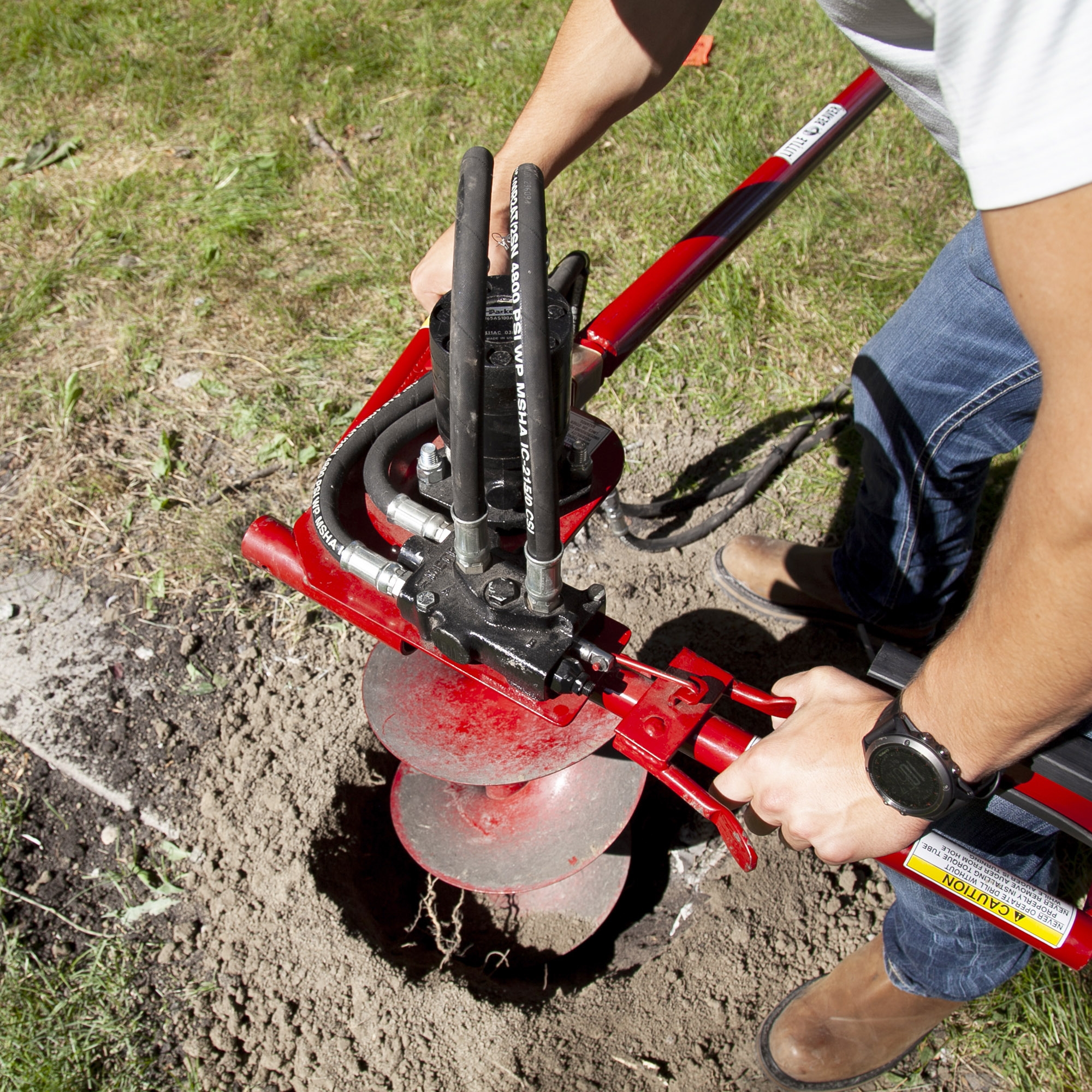
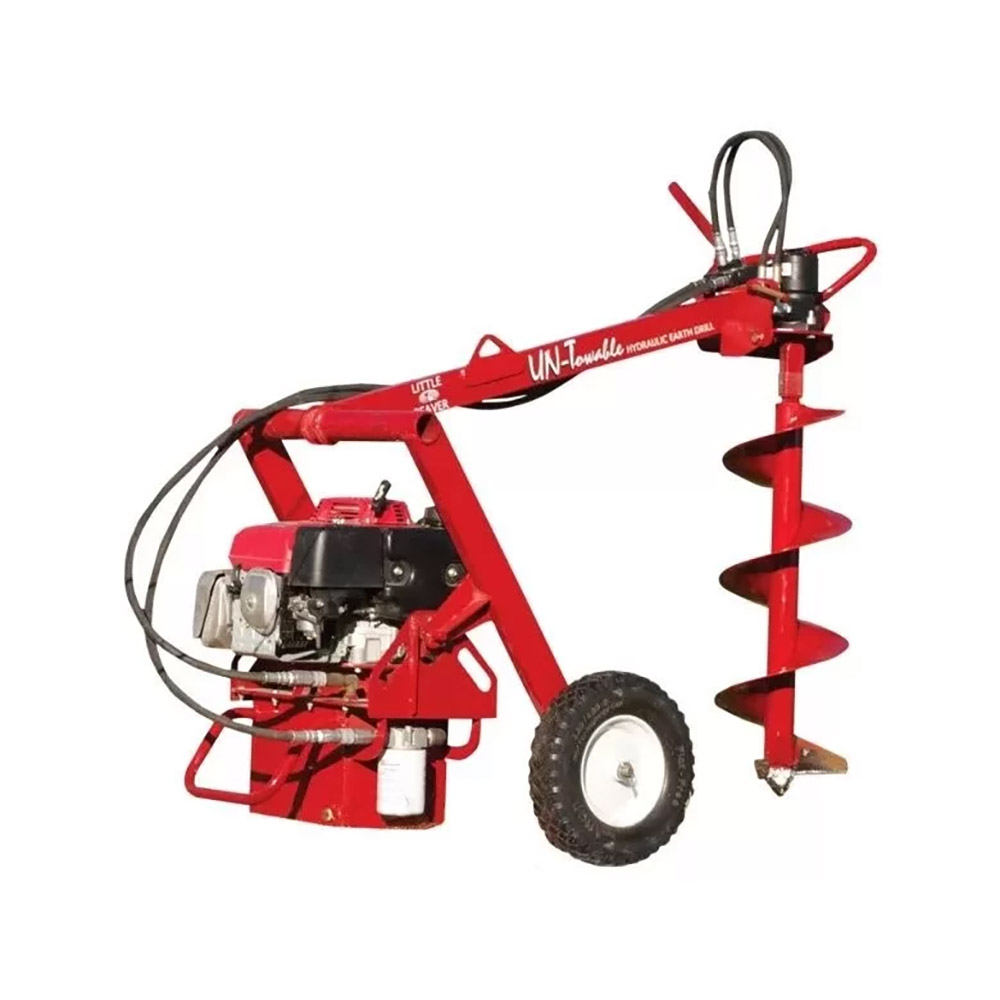
Hydraulic earth drills deliver maximum power and torque for the toughest digging challenges. Built for heavy-duty applications, these robust machines tackle demanding soil conditions and larger projects with ease.
Best For:
- Industrial fencing, foundation pier holes, and groundwater monitoring
- Heavy clay, rocky, or otherwise demanding soil conditions
- Larger diameter holes and greater depth requirements
- Mobile home and utility anchoring with an optional anchoring kit
Power and Performance:
- Engines ranging from 10.7 to 21.5 horsepower
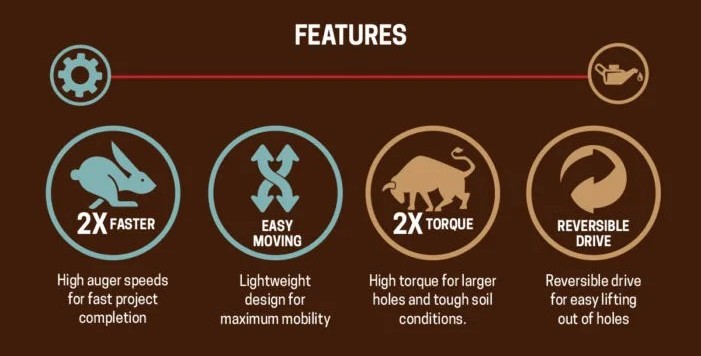
- Lower speed with significantly more torque
- Reversible drive for easy auger extraction
- Two-man handle and high-torque anchor handle options available
Browse Our Hydraulic Earth Drills
Maneuverability Options for Any Job Site
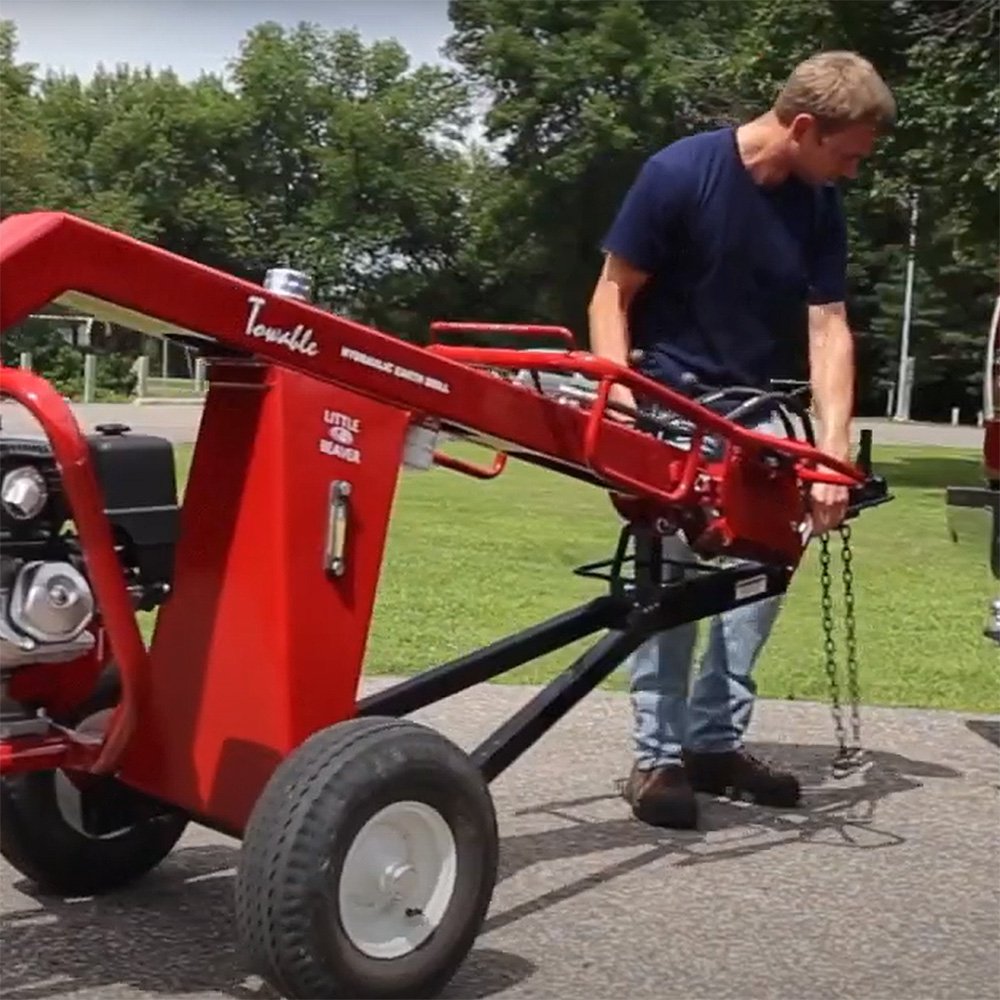
Both mechanical and hydraulic models offer excellent maneuverability features to handle various worksite conditions. Standard rolling wheel carriages come equipped with either semi-pneumatic or pneumatic tires for easy transport across different terrains. Pull handles and transmission cradles provide precise drill positioning and stability during operation, ensuring accuracy and reducing operator fatigue regardless of the project scope.
Torque Protection and Handle Options
Operator safety and comfort are paramount in Little Beaver's designs, with several features built into every model. A torque tube redirects kickback away from the operator on all drills, minimizing the risk of injury during operation. Both mechanical and hydraulic drills come standard with a one-man handle for comfortable single-operator use. For larger or deeper drilling applications, particularly with hydraulic models, a two-man handle option is available to provide additional stability and control.
A Note on Soil Types
Soil conditions vary significantly across regions and can greatly impact drill performance. What works efficiently in sandy coastal soil may struggle in dense Midwest clay, and no single drill type excels in every condition. For personalized guidance on the best fit for your specific location and project requirements, our knowledgeable team is here to help.
Still Have Some Questions About Earth Drills? Contact One of Our Helpful Sales Representatives
Contact Us